
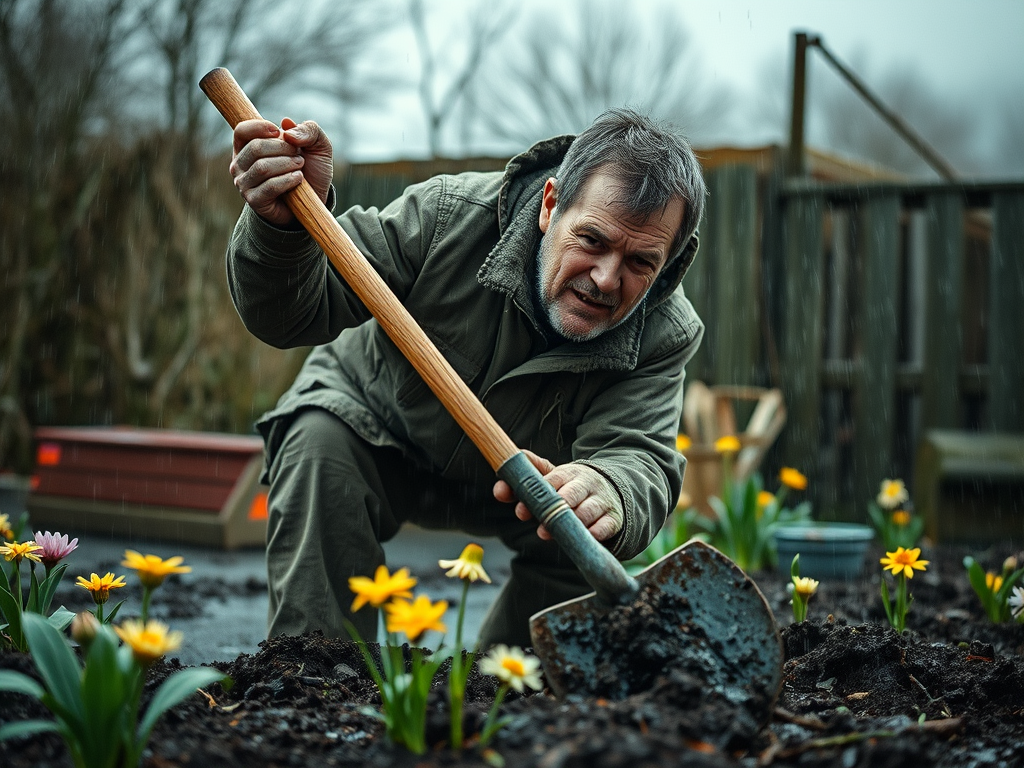
As the days begin to stretch a little longer and the first brave shoots push through the soil, it’s clear that the gardening season is beginning in earnest. Around Glasgow, we’re starting to see the familiar early signs of spring – snowdrops nodding gently in the breeze, daffodils bringing flashes of yellow to borders, and the first hints of bluebells preparing to emerge. It’s an encouraging sight after the darker months of winter.

Of course, anyone who gardens in the west of Scotland knows that spring doesn’t arrive in a neat, orderly fashion. Instead, it tends to burst through between bouts of wind, rain, and the occasional cold snap that reminds us winter isn’t quite finished yet. One day can feel almost balmy; the next might bring driving rain and a gusty gale rolling in from the Atlantic. It’s all part of the charm of gardening here – though sometimes it keeps us on our toes.
At this time of year, most gardens have already had a bit of winter tidying. Leaves have been cleared, borders cut back, and perhaps a few overgrown shrubs have been brought back into shape. If you’ve done that much already, you’re off to an excellent start. Now is when the real work of preparing the garden for the growing season begins.
Protecting Your Garden from Early Spring Weather
Because spring weather in Glasgow can be unpredictable, it’s wise to take a few steps to protect your garden from potential damage.
Strong winds are one of the biggest culprits at this time of year. Newly emerging plants and taller perennials can easily be battered if they’re left unsupported. Adding simple stakes or plant supports now can save a lot of heartache later. Likewise, checking fences, trellises, and garden structures after winter storms is always a good idea before climbing plants begin their vigorous spring growth.
Another thing to keep an eye on is soil conditions. After months of rain, many gardens are still holding plenty of moisture. Working heavily on saturated soil can damage its structure, so it’s best to tread lightly where possible. If the ground feels sticky or compacted, give it a little more time to dry before digging or planting extensively.
Mulching is also one of the best things you can do for your garden right now. A layer of compost or well-rotted organic matter helps regulate soil temperature, improves structure, and protects roots from sudden cold snaps. It also helps suppress weeds, which will soon begin their annual attempt to take over the garden.
What Can Be Planted Right Now?
Despite the unpredictable weather, there is actually plenty that can be planted at this stage of the season.
Hardy perennials are a particularly good choice right now. They are designed to cope with fluctuating spring temperatures and will settle into the soil well before the warmer months arrive. Suppliers like YouGarden offer a wide range of affordable hardy perennial collections that provide excellent value while filling borders with colour and structure throughout the year.
Early vegetables can also begin to go into the ground if you have a kitchen garden or raised beds. Hardy crops such as broad beans, onions, and early potatoes can often be planted in March and April, provided the soil isn’t waterlogged.
This is also a very good time to think about roses. Roses planted now will establish themselves quickly as temperatures rise and the days lengthen. I personally source my roses from David Austin Roses, whose varieties are renowned for their fragrance, resilience, and beautiful old-rose character. Planting roses in early spring allows them to put down strong roots before summer flowering begins.

Refreshing Borders and Garden Structure
Spring is also the perfect moment to look at the broader structure of your garden. After winter pruning and tidying, the “bones” of the space become visible again. This makes it easier to see where borders could be improved, where colour might be added, or where plants have become overcrowded.
Dividing mature perennials is another job well suited to this time of year. Plants such as hostas, geraniums, and daylilies benefit from being lifted and divided every few years. Not only does this keep them healthy and vigorous, but it also provides extra plants that can be used elsewhere in the garden or shared with friends and neighbours.
Supporting Local Garden Centres
While online suppliers are incredibly useful, there’s still nothing quite like visiting a good garden centre in person. Knowledgeable staff, healthy plants, and the ability to see things before you buy them all make a real difference.
For those in the Glasgow area, Dobbies Garden Centre Bearsden has long been a favourite thanks to its excellent customer service and helpful staff. Whether you’re looking for seasonal plants, compost, tools, or simply a bit of advice, a good garden centre can be an invaluable resource.
The Season of Possibility
Perhaps the nicest thing about this time of year is the sense of possibility it brings. The garden may still look a little bare in places, and the weather might be throwing the occasional tantrum, but everything is quietly preparing for the burst of life that late spring and summer will bring.
With a little preparation now—protecting plants from the worst of the weather, improving soil, and getting early planting underway—you set the stage for a thriving garden in the months ahead.
And if the wind is howling and the rain is rattling the windows? Well, that’s Glasgow for you. Put the kettle on, sketch out a few garden ideas, and wait for the next break in the clouds. Spring is definitely on its way. 🌱🌼
If you would like some help with your garden preparation and maintenance please feel free to contact us! https://happy-gardener.co.uk/get-in-touch/
Leave a Reply